

Photo by raffaella raspini on Unsplash
How To Commit Murder Accurately…
For Mystery Writers
I use my expertise as a retired Poison Information Specialist to offer basic, accurate information to first-time mystery writers on poisonous plants and how they could be used in a storyline.
Read a sample page.
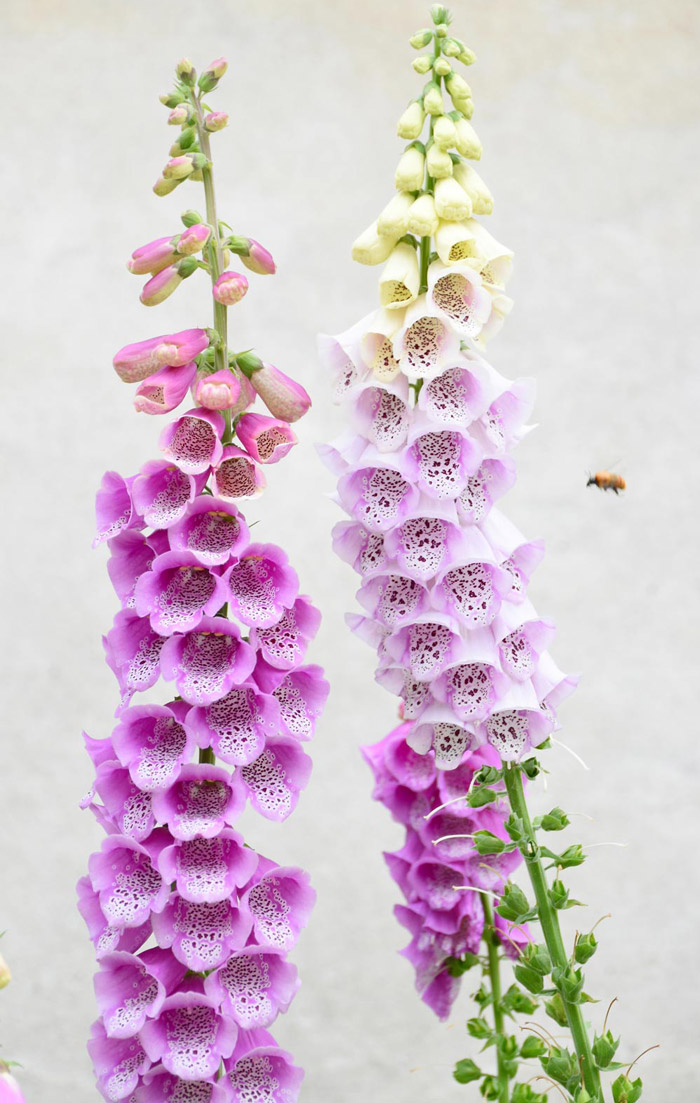
Foxglove, Follow your Heart, But Don’t Touch
The original heart medicine, Digitalis, was made by foxglove!
This plant contains toxic cardiac glycosides. The plant leaf from a foxglove was how the pharmacies were able to produce digoxin before they were able to manufacturer this drug.
Serious toxicity is uncommon unless intentionally ingested as food or a suicide attempt.
Toxic Dose
The amount to cause toxicity is not well established. Concentrations of toxic glycosides can vary with climate, growing conditions, season, age, and parts of the plant.
Digoxin is know to have a narrow therapeutic window and one can easily move from therapeutic to toxic dose through slow elimination and metabolism or through interactions with other drugs.
Pharmacokinetics
The bioavailability (the amount of the drug which enters the circulation when introduced into the body and therefore is able to have an active effect) of glycosides from a dried Digitalis leaf is approximately 20–40%.
Elimination half-life (the time it can take to remove half the drug from the body) can be up to 7 days. It takes 5 half-lifes for a drug to be considered cleared from the body, so you can see this could take quite some time.
Cardiac symptoms may occur 1–6 hours after ingestion of plant material. Death is rare unless the ingestion is intentional or someone is already taking this cardiac drug.
Effects
Skin irritation may occur if handling without gloves.
Nausea, vomiting, and diarrhea are the first symptoms usually seen.
After ingestion, irritation of the mouth, numbness of the tongue, throat, and lips may occur. Yellow-green vision and double vision may occur. This would make an interesting fact to add to a story.
Cardiac (heart) toxicity and low blood pressure is seen in more serious ingestions.
Slow heart rate, first, second & third degree heart block and other serious heart concerns may develop.
Commonly we see dizziness, sweating, confusion, fatigue, agitation, and headache are seen.
Treatment
Do not make anyone vomit as this can enhance vagal stimulation causing worsening heart arrhythmias and heart block.
Digoxin levels can be measured for diagnostic purposes and do not always correlate with the outcome. A positive level suggests a cardiac glycoside exposure, but a negative level doesn’t necessarily rule out toxicity.
There are two antidotes available. Essentially, what this antidote does, is bind to the digoxin, rendering it unable to bind to its action sites on target cells. Once the antidote attaches itself to a digoxin fragment in the blood, they are expelled by the kidneys. The original antidote called Digibind was marketed in 1986. DigiFab is another antidote that was marketed in 2001 and they changed the outcome of digoxin overdose.
An Interesting Fact
Foxglove is highly toxic to cats and dogs.
People mistake this flower for a harmless (they think) herbal tea. They use different flowers from the garden. If foxglove is included, one can develop weakness, nausea, and difficulty sleeping and not realize what they have done.